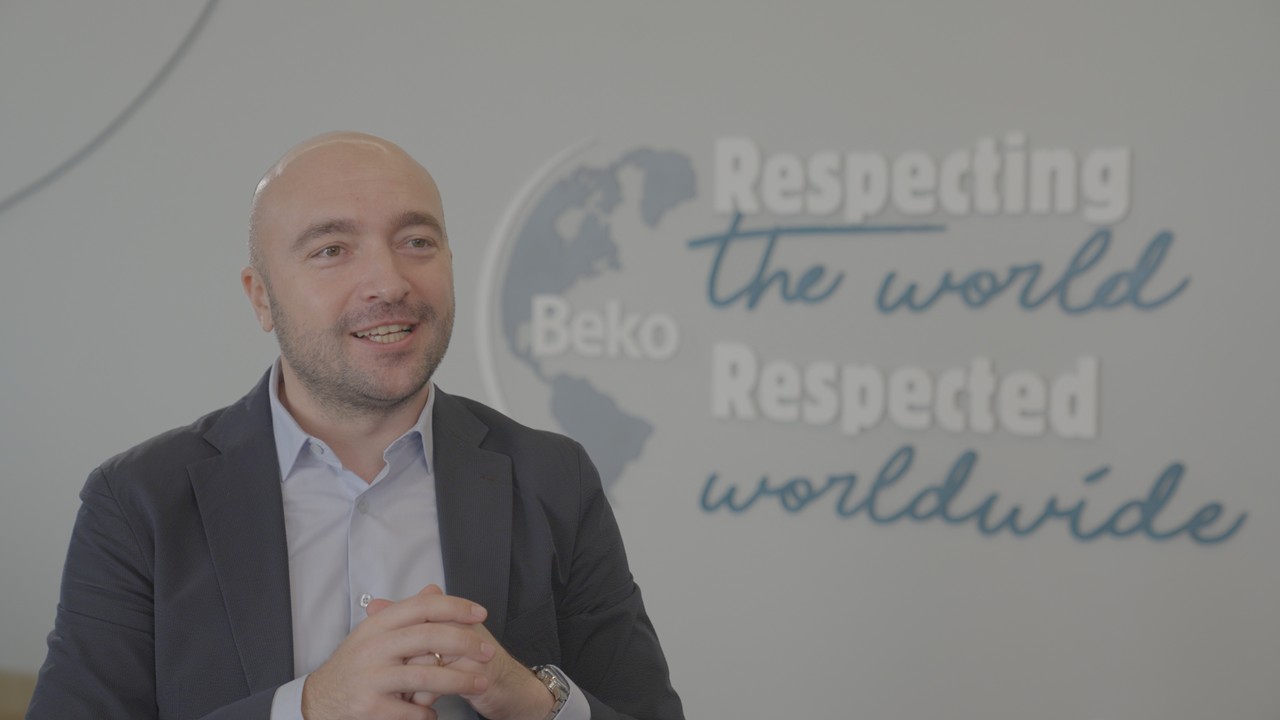
We spoke with Hakan Altinisik, Factory Director of Singer Bangladesh — a tenant company of the Bangladesh Special Economic Zone (BSEZ) — about the background behind the company’s decision to enter Bangladesh, the reasons for choosing BSEZ, and the outlook for the future.
Singer Bangladesh
Founded in 1905, Singer Bangladesh is one of the country’s leading home appliance manufacturers and retailers. In 2019, Turkish home appliance conglomerate Arcelik acquired a 57% stake in the company, bringing it under its umbrella. Today, Singer Bangladesh offers a full lineup of home appliances under the Singer and Beko brands, operating 463 company-owned stores and over 1,000 dealer shops nationwide. Its parent company, Beko, operates across 57 countries with 121 subsidiaries and 55,000 employees, holding the No. 1 position in European home appliance sales by volume.
Hakan Altinisik
Hakan Altinisik has served as Factory Director of Singer Bangladesh since April 2019. As the executive responsible for factory expansion, technology, and production operations, he has led the company’s manufacturing base in Bangladesh from its initial setup through the current phase of business expansion.
Why Bangladesh?
What were your initial thoughts when Bangladesh first came up as a possible location?
We have been operating in multiple countries, and as part of our global growth strategy, we aim to enter every market. Within that context, there are two main reasons why we chose Bangladesh.
The first is the enormous potential of the domestic market. With a population of 200 million and over 54 million households, Bangladesh is an extremely attractive market in terms of penetration rate for our products. Our vision is to develop the domestic market first, then expand into export business over the mid to long term.
The second is its geographic advantage as an export hub. From a home appliance parts supply chain perspective, Bangladesh stands out alongside Vietnam, India, and China. We have already begun supplying home appliance wire harnesses from Dhaka to Romania and Turkey, and we are expanding our supply to 40 factories within our group.
The ambition and ownership mindset of the workforce, combined with Bangladesh’s geographic position at the midpoint of the supply route from China to Europe — these are the primary reasons we chose Bangladesh.
On the topic of ownership in particular, the people here have a truly distinctive quality. Even when problems arise, they do not simply try to help — they come forward with solutions. That strong desire to make things happen is the greatest advantage Bangladesh has over other countries, and exactly what we were looking for.
How did you first hear about BSEZ?
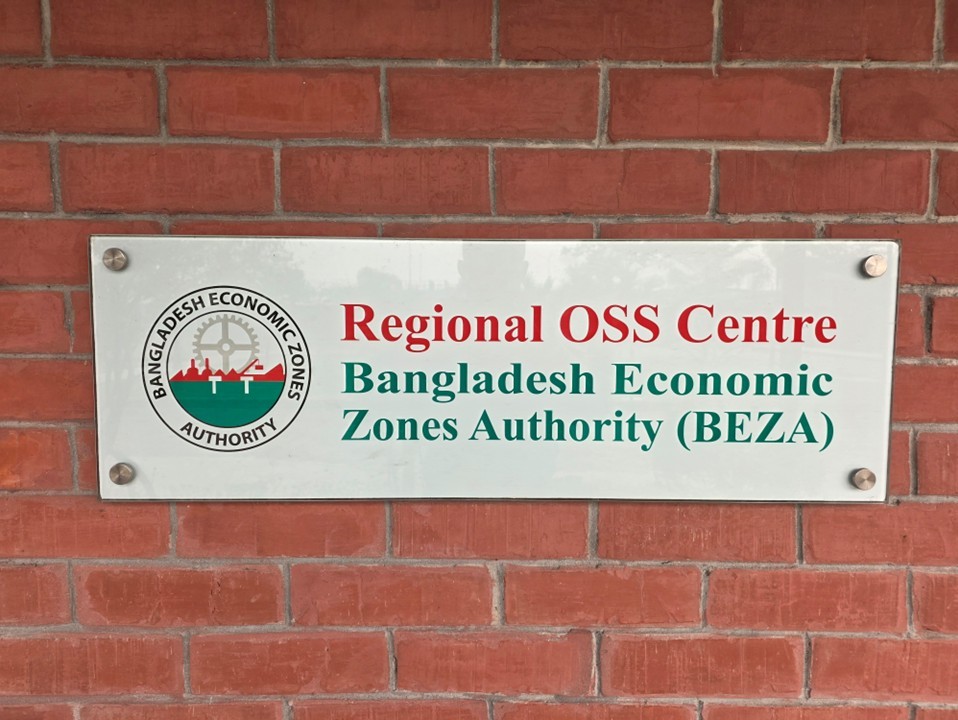
I would like to highlight two agencies that are especially important for investors: BIDA (Bangladesh Investment Development Authority) and BEZA (Bangladesh Economic Zone Authority). These two government bodies provide extensive support to foreign investors, including incentives, streamlining of approval processes, and assistance in finding land.
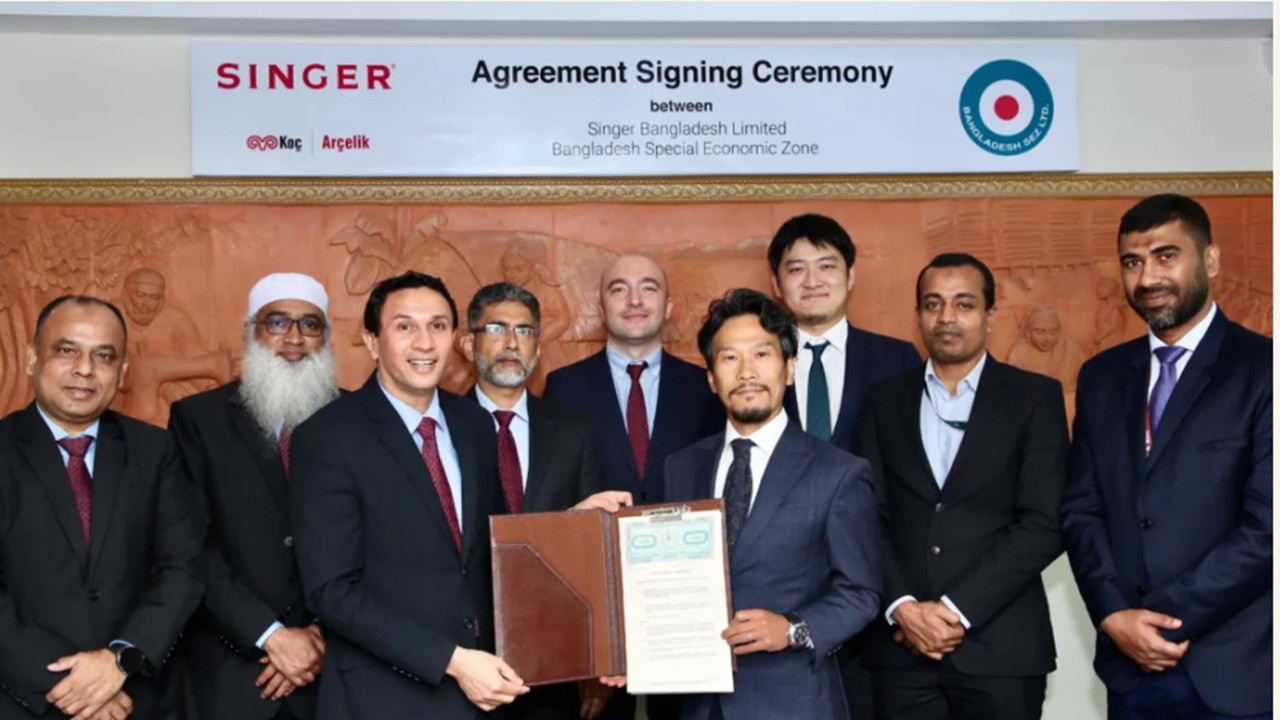
One of BEZA’s flagship projects is BSEZ (Bangladesh Special Economic Zone). We first learned about this government-to-government (G2G) development zone in November 2019 through an initial approach by BEZA.
What was your first impression when you visited BSEZ?
During my first visit in 2019, I had already reviewed various feasibility studies and analyses conducted by JICA, and I recognized the potential of the G2G project. However, at that time, development had only just begun and there was nothing on the site yet. My biggest concern was whether BSEZ’s development schedule would align with our own business timeline.
The turning point came with my second visit in 2021. Construction was in full swing — I witnessed the site being developed at a rapid pace, with up to 20 cubic meters of sand being laid in a single day. My impression changed significantly. Seeing Japanese and Bangladeshi people working together with discipline and faithfully executing on their commitments — that became the foundation of my trust in BSEZ.
Why BSEZ?
What were the most important factors when selecting a location for your operations?
In April 2019, my first mission was to secure a site. After more than two years of
investigation, we evaluated approximately 40 candidate locations, including private land, government economic zones, and special economic zones. Our evaluation framework covered around 40 criteria in total, but the seven most important were as follows:
- Access to labor
- Access to skilled engineers
- Logistics infrastructure
- Electricity and gas supply
- Climate resilience (Bangladesh is particularly vulnerable to the effects of global warming)
- Flood protection
- Land and ground conditions
After evaluating all of these factors comprehensively, BSEZ — located near Dhaka, the center of gravity for our business given our focus on the domestic market — emerged as the optimal choice.
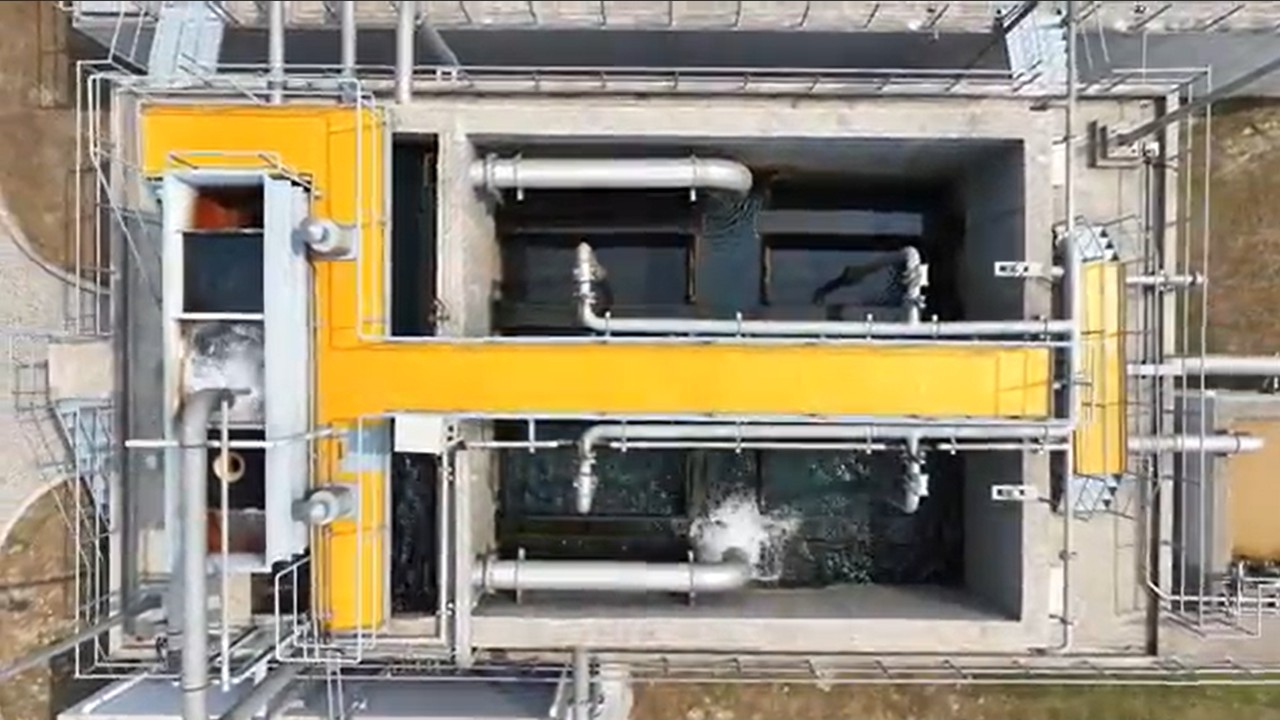
In terms of infrastructure, BSEZ has built an impressive foundation: additional embankments and retention ponds for flood protection, stormwater management systems, and a dedicated substation connected from the national grid. Above all, what impressed me most was that in a developing country with infrastructure constraints and logistical challenges, BSEZ consistently adhered to its original development timeline — what I would call a commitment to commitments.
How did BSEZ’s one-stop service benefit you?
In Bangladesh, there are various permits and approvals required to ensure proper business operations and construction. The processes can be complex, and obtaining them can take time. BSEZ’s one-stop service made a significant contribution in addressing this challenge. Whether for routine matters or situations requiring special handling, the BSEZ team was always there to provide swift and reliable support.
How are your operations going today, and how do you see them developing in the future?
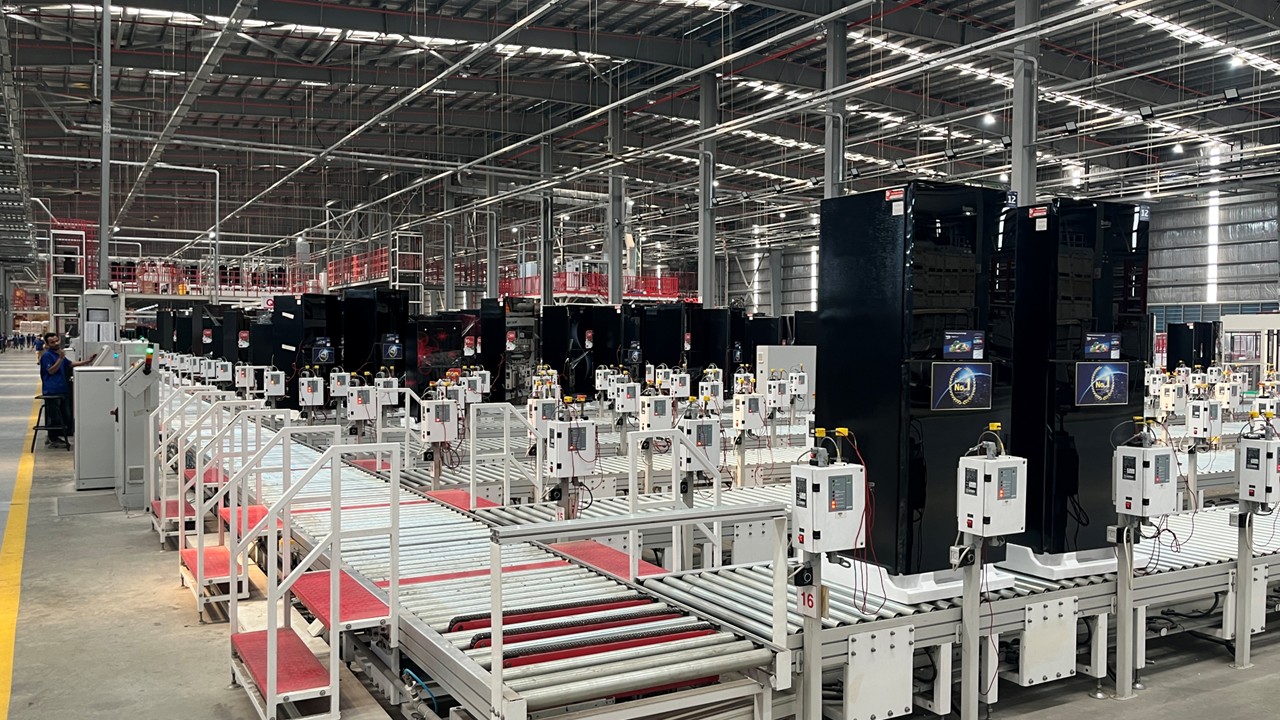
Our factory sits on a 35-acre site (approximately 135,000 square meters), with a current workforce of approximately 1,000 employees. We are expanding steadily in line with our growth strategy, and at full capacity we expect to employ around 5,000 people.
As a market, Bangladesh still has very low penetration rates across all product categories, leaving significant room for growth. The ownership mindset of employees here is also something that is hard to find elsewhere.
On the manufacturing side, we conduct R&D-driven production of high-value-added products, and have built a vertically integrated production system that covers everything from raw materials to finished goods — including refrigerators, metal parts, and plastic components. This reflects both the current stage of supplier development in Bangladesh and the enormous potential for manufacturing growth that lies ahead in the country.
A Message to Companies Considering Bangladesh
What types of companies do you think would benefit most from expanding into Bangladesh?
First, for manufacturers with broad industrial ecosystems — such as automotive and motorcycle sectors — Bangladesh offers tremendous market potential. The form of market entry can vary: joint ventures, M&A, or fully greenfield investments are all viable, depending on each company’s strategy.
The country is also highly promising for parts suppliers. For labor-intensive component manufacturing, Bangladesh offers advantages both geographically and in terms of cost, and there is a significant opportunity to reduce production costs throughout the manufacturing process from raw materials to finished goods. Beyond in-house production, it is also possible to collaborate with quality local suppliers for interior components, as we do ourselves.
For companies just starting to consider Bangladesh, what would you recommend they do first?
Contacting BSEZ would be the ideal first step. The infrastructure is already in place, making it a particularly effective option for companies that need to move quickly.
In addition, reaching out to BIDA (Bangladesh Investment Development Authority) and BEZA (Bangladesh Economic Zone Authority) is essential. During on-site visits, we recommend verifying infrastructure details and carefully reviewing due diligence materials.
It is also critical to develop a detailed financial plan covering at least five years — not just in terms of production capacity and capital investment, but also capital injection schedules, external borrowing, and intercompany financing arrangements. The choice of corporate structure and the rules around bringing foreign capital into the country also require thorough investigation in advance.
BSEZ can serve as the ideal starting point and partner for all of that preparation.